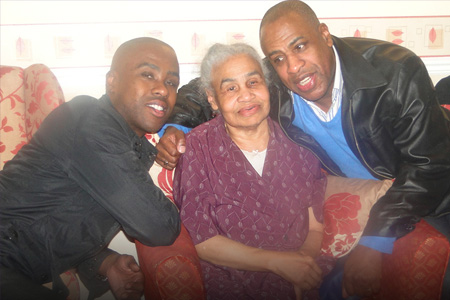
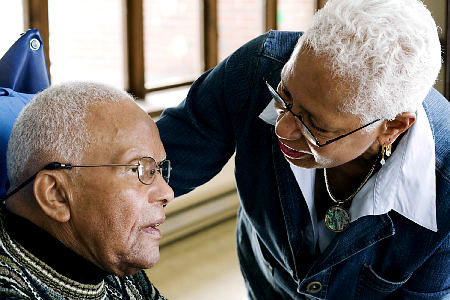
The UK has over 822,000 people living with Dementia with an estimated 15,000 people from BME communities, out of this it is recognised that early onset Dementia is more frequent in BME groups amounting to 6% as apposed 2% of other groups.
Many of the members of the BME community who have been affected by or are living with Dementia are struggling to interact with or make use of many of the services provided by the mainstream organisations that are in place to help people living with or affected by Dementia. This is due to lack of cultural competence by the organisations, though these organisations may be sensitive to cultural differences and their needs, many of them are not competent in their delivery of services, or activities for BME communities.
If we consider that someone living with dementia may only be able to remember things from as far back as their teens, and the fact that their lifestyle of those times would have been based on their community cultural upbringing, then we might be able to understand why it is difficult for them to feel comfortable with the services currently provided by the mainstream Dementia support organisations.
Below is a list of some of the barriers they may face when seeking help:
- Language
- Stigma
- Lack of understanding about health & social care
- Acceptance of condition
- Professionals belief
- They look after their own
- Culturally biased diagnosis & assessment tool
- Inappropriate culturally based services – e.g respite services
The Pearl Support Network aims to address this by raising the awareness of Dementia and its implications within the BME community and to encourage mainstream organisation to be more culturally competent, we aim to do this by creating culturally relative activities and services as can be found in the list below:
- Raise dementia awareness
- Culturally sensitive support after diagnosis
- Person centred care – what people need
- Cultural competence training to staff working within dementia services
- Practitioners to know more about family and role of each individual
- Information to be available in different languages
- Culturally sensitive reminiscence tools